

Call Us when you Need Help!
What is a Dental Filling?
A Dental Filling, often referred to as a tooth restoration, is a common procedure used to treat cavities and repair minor tooth damage. When a tooth is affected by decay or fractures, the damaged portion is carefully removed and replaced with a suitable filling material to restore its natural form and function. It is one of the most effective treatments for Tooth Cavities, helping preserve the natural tooth while preventing the decay from spreading further.
Fillings are also beneficial for repairing small cracks, worn edges, or surface defects caused by habits such as teeth grinding or nail-biting.
Common materials used for fillings include composite resin, glass ionomer cement (GIC), and ceramic, each chosen based on the tooth’s location, appearance, and functional needs. If tooth decay has progressed beyond a filling and reaches the inner pulp, your dentist may recommend a Root Canal Treatment instead to save the natural tooth.
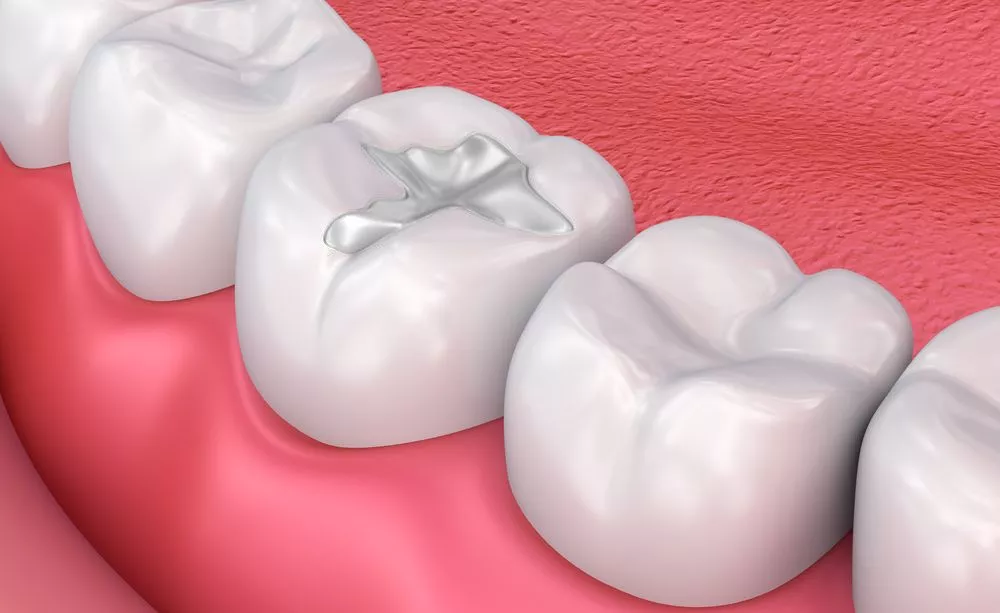
- At Oronova Dental Care, our goal is to preserve as much of your natural tooth as possible while strengthening and protecting it from future damage. Dental fillings not only help prevent further decay but also improve chewing efficiency and comfort.
- Fillings are also beneficial for repairing small cracks, worn edges, or surface defects caused by habits such as teeth grinding or nail-biting.
- Common materials used for fillings include composite resin, glass ionomer cement (GIC), and ceramic, each chosen based on the tooth’s location, appearance, and functional needs.
Types of Dental Fillings
Dental fillings come in different varieties, and the choice of material depends on factors such as the size of the cavity, the tooth’s location, cosmetic preferences, and any material allergies.
At Oronova Dental Care, our dentists will recommend the best filling option to suit your individual needs. As the Best Dental Filling Clinic, we focus on selecting filling materials that provide long-lasting strength, comfort, and a natural-looking result.
Composite Fillings
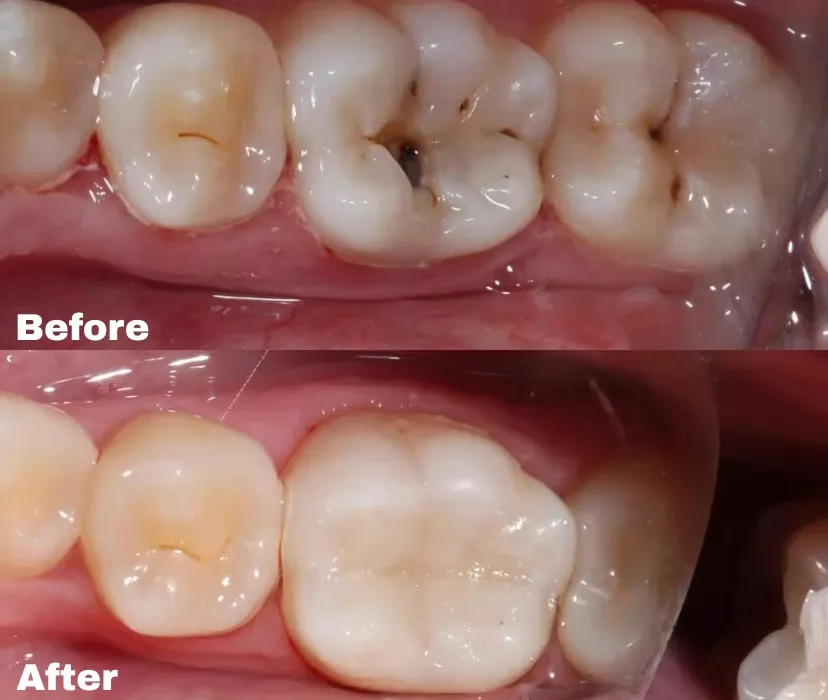
Also known as tooth-colored or resin fillings, composite fillings are among the most commonly chosen options for restoring decayed or damaged teeth.
Made from a blend of resin and plastic materials, these fillings can be closely matched to your natural tooth shade, offering a seamless and natural look.
Composite fillings are versatile and can also be used for:
Ceramic Fillings

Ceramic or porcelain fillings are known for their superior aesthetics and strength. They mimic the natural color and translucency of real teeth, making them an excellent option for visible areas.
Benefits include:
Though they may cost slightly more than other materials, their visual appeal and longevity make them a worthwhile investment.
GIC (Glass Ionomer Cement) Fillings
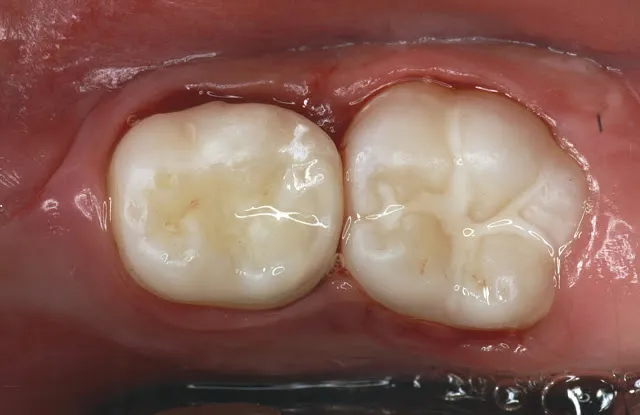
Glass Ionomer Fillings are made from a blend of acrylic and glass particles, known for releasing fluoride which helps prevent further tooth decay.
They are especially useful in:
While GIC fillings are gentle on teeth and protective against decay, they may not be as strong or long-lasting as composite or ceramic options.
When Do You Need a Dental Filling?
There are several signs that may indicate the need for a dental filling. One of the most common indicators is a visible hole or cavity in the tooth. You might notice it in the mirror or feel it with your tongue.
Other symptoms that may suggest tooth decay or enamel damage include:

Persistent or occasional toothache
Dark spots or discoloration on the tooth surface
Food frequently getting stuck between certain teeth
Chipped, cracked, or broken tooth edges
Sensitivity or pain when eating hot, cold, or sweet foods
One or more visible cavities
If you experience any of these warning signs, it’s important to visit your dentist for an evaluation.
At Oronova Dental Care, our specialists perform a detailed examination often using digital X-rays to determine whether a filling, restoration, or another treatment is the best option for your tooth.
Post-Treatment Care After a Dental Filling
After getting a dental filling, it’s normal to experience mild soreness or sensitivity for a short period. Following simple care instructions will help your tooth heal faster and ensure the filling lasts longer.
Here are some post-treatment care tips:
By following these steps, you’ll help your restoration stay strong, comfortable, and long-lasting
Are you having health problems? Contact us today!
Address Business
Contact With Us
Book To Call : +918627069651
Working Time
Frequently Asked Questions
Is a dental filling painful?
No. Getting a dental filling is usually not painful because the decay is limited to the enamel and dentin. Your dentist may also use local anesthesia if needed to keep you comfortable.
Are dental fillings good for your teeth?
Yes. Dental fillings restore teeth affected by cavities, stop further decay, and help relieve pain or sensitivity caused by tooth damage.
How long does a tooth filling last?
A dental filling can last anywhere from 10 to 20 years, depending on the filling material, its size, its location, and how well you maintain your oral hygiene.
What should I do if my dental filling falls out?
Contact your dentist as soon as possible to schedule an appointment. Until then, rinse your mouth with warm salt water and avoid chewing on the affected tooth.
Can I eat after getting a dental filling?
Yes, but it is best to wait until the numbness wears off. If you have a composite filling, you can usually eat shortly after the procedure. Avoid very hard or sticky foods for the first few hours.

