

Call Us when you Need Help!
What Are Dental Crowns?
Dental crowns are custom-made caps that cover a damaged, decayed, or weakened tooth to restore its shape, strength, and appearance. They fully encase the visible part of the tooth above the gum line, protecting it from further damage while allowing normal function.
At Oronova Dental Care, we provide high-quality, custom-made dental crowns designed to restore the strength, function, and natural appearance of your teeth.
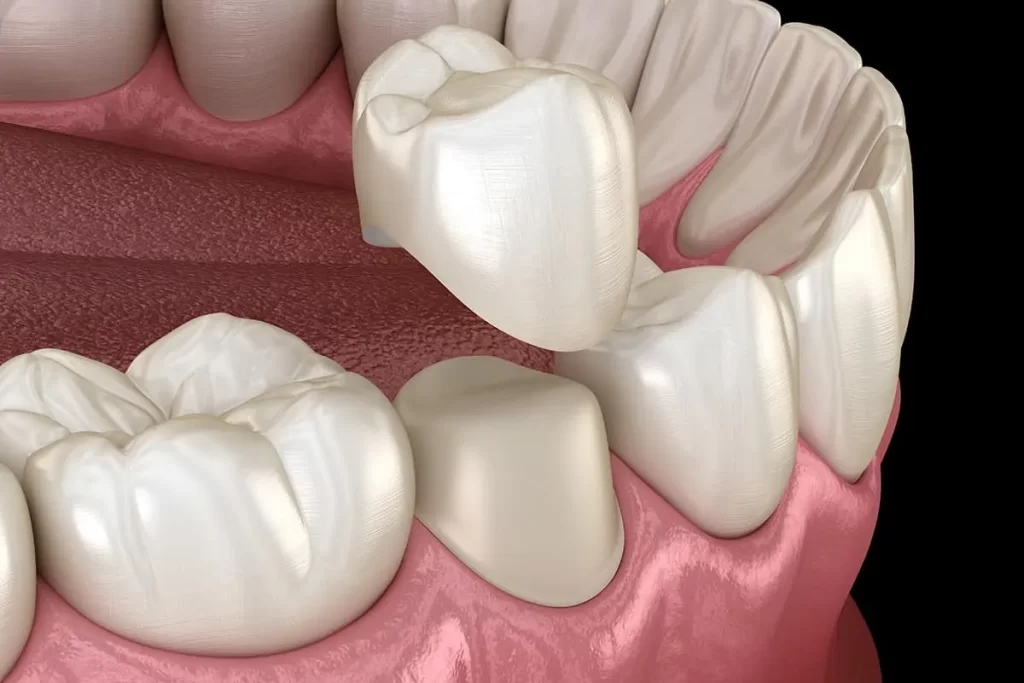
Crowns are commonly used to
- Strengthen a tooth after a root canal or large filling.
- Restore a broken, cracked, or worn-down tooth.
- Improve the appearance of misshaped or discolored teeth.
- Support dental bridges to replace missing teeth.
Types of Dental Crowns
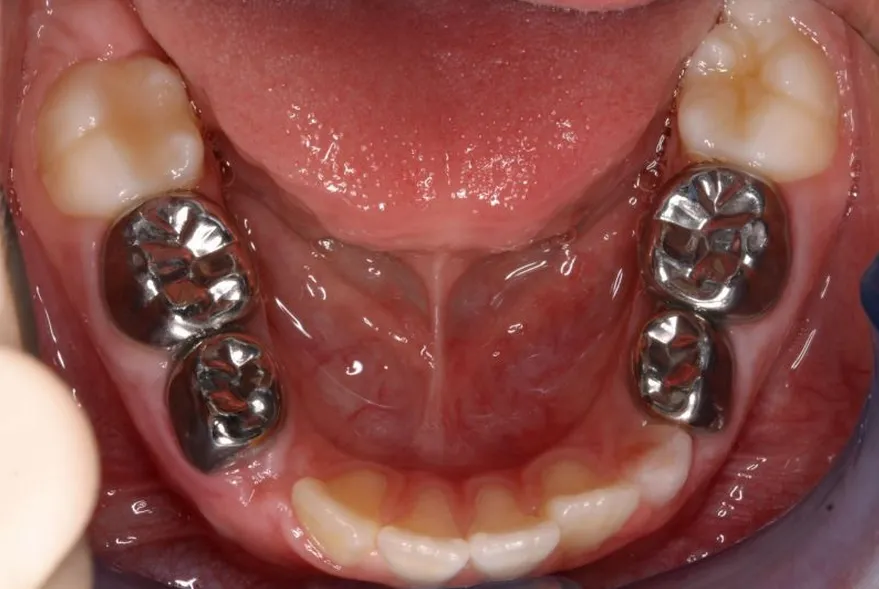
- Metal Crowns
- Made entirely of metals like gold, silver, or alloys.
- Extremely strong and durable, ideal for back teeth that handle heavy chewing.
- Less natural in appearance but very long-lasting.
- Porcelain-Fused-to-Metal (PFM) Crowns
- Combines the strength of metal with the natural look of porcelain.
- Offers both durability and aesthetics, suitable for most teeth.

- Ceramic Crowns
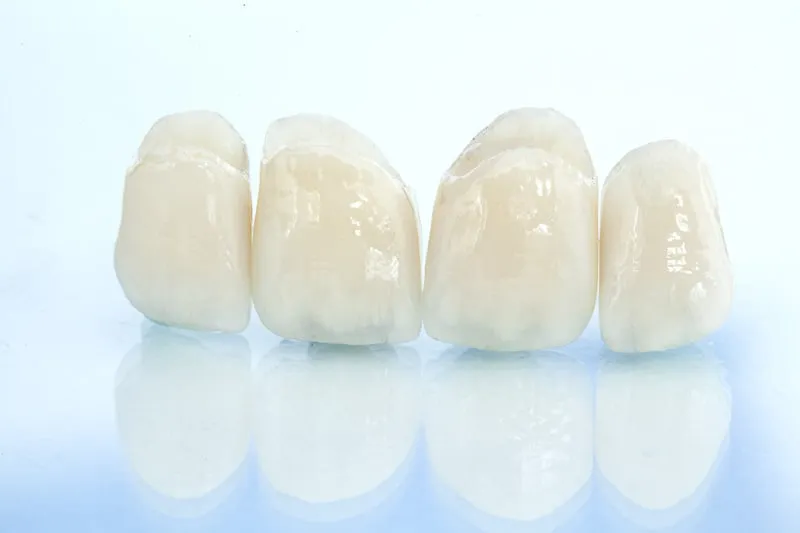
- Made entirely of ceramic material for a natural, tooth-colored appearance.
- Ideal for front teeth due to their excellent aesthetics.
- Strong and biocompatible, blending seamlessly with natural teeth.
Benefits of Dental Crowns
Dental crowns are a reliable solution to restore damaged teeth and improve both function and appearance. Permanent Dental Crown Treatment helps protect weakened teeth, restore chewing function, and provide long-lasting support for a healthy, natural-looking smile.
Benefits:
- Strengthen Weak Teeth
Protects teeth weakened by decay, cracks, or large fillings. - Restore Appearance
Covers discolored, misshaped, or worn-down teeth for a natural, confident smile. - Protect After Root Canal
Shields teeth that have undergone root canal treatment, preventing further damage. - Restore Function
Enables normal chewing and biting without discomfort. - Durable and Long-Lasting
With proper care, crowns can last many years, providing a reliable dental solution. - Support Other Dental Work
Crowns can hold dental bridges in place, replacing missing teeth effectively.
Do’s and Don’ts with Dental Crowns
Do’s:
- Maintain good oral hygiene by brushing twice daily and flossing gently around the crown.
- Visit your dentist regularly for check-ups to ensure the crown remains secure and healthy.
- Report any discomfort or looseness immediately to your dentist.
- Use a night guard if you grind your teeth to protect the crown from damage.
- Eat soft foods initially if the crown feels sensitive after placement.
Don’ts:
- Don’t bite or chew on hard foods like ice, nuts, or hard candies that can crack the crown.
- Don’t use your teeth as tools to open packages or bottles.
- Don’t ignore pain, sensitivity, or changes in the crown’s fit.
- Don’t skip dental visits — crowns need regular monitoring to prevent issues.
- Don’t chew sticky foods excessively, as they can loosen or damage the crown.
How Long Can a Dental Crown Last?
The lifespan of a dental crown depends on material, oral hygiene, and habits, but with proper care, crowns can last 10–15 years or even longer.
Factors That Affect Longevity:
- Oral Hygiene: Regular brushing, flossing, and dental check-ups help prevent decay around the crown.
- Dental Habits: Avoid chewing hard foods, ice, or using teeth as tools, which can damage the crown.
- Teeth Grinding: Wearing a night guard can protect crowns from excessive wear or cracking.
With consistent care, a dental crown can provide long-lasting function, protection, and a natural-looking smile for many years.
Are you having health problems? Contact us today!
Address Business
Contact With Us
Book To Call : +918627069651
Working Time
Frequently Asked Questions
What is a dental crown and when is it recommended?
A dental crown is a custom tooth-shaped cap that fully covers a damaged, decayed, or structurally weakened tooth to restore its shape, strength, and appearance. Crowns are commonly placed after Root Canal Treatment, for teeth with large fillings, cracked or fractured teeth, or as the visible restoration on top of a dental implant.
What types of dental crowns are available?
Different types of Dental Crowns are available based on the tooth location, strength requirements, and aesthetic needs. These include metal crowns, porcelain-fused-to-metal (PFM) crowns, full ceramic crowns, and zirconia crowns. At Oronova Dental Care, your dentist recommends the most suitable crown after evaluating your tooth condition, bite, and cosmetic expectations.
Item #3What is a zirconia crown and why is it the preferred choice?
Zirconia is a high-strength ceramic material that closely mimics the colour, translucency, and light-reflecting properties of natural teeth. Unlike PFM crowns, zirconia has no metal substructure, eliminating the dark gum margin that may become visible over time. Zirconia crowns are designed using advanced CAD/CAM technology for a precise fit and are among the most preferred options for restoring damaged teeth.
How many dental appointments does getting a crown take?
Most dental crown treatments require two appointments. During the first visit, the tooth is prepared, and a digital or physical impression is taken before placing a temporary crown. Around 5–7 days later, the permanent dental crown is fitted, adjusted for a proper bite, and permanently cemented. In some cases, advanced CAD/CAM technology may allow same-day crowns.
Is a dental crown always necessary after Root Canal Treatment?
In most cases, yes. Root Canal Treatment helps save the natural tooth by removing infection from inside it. However, teeth that require RCT are often weakened due to deep decay or damage. A Dental Crown helps restore strength, protects the tooth from cracking, and allows it to function normally while chewing. Dentists at Oronova Dental Care usually recommend placing a permanent crown within a few weeks after completing RCT for long-term protection.

