

Call Us when you Need Help!
What Are Dental Braces?
Dental braces are orthodontic devices used to align and straighten teeth, correct bite issues, and improve overall oral function. They apply gentle, continuous pressure to the teeth over time, gradually moving them into the desired position.
If you are looking for the Best Dental Braces Treatment in Mohali, Oronova Dental Care offers personalized orthodontic treatment plans designed to improve your bite, oral health, and smile with advanced braces solutions.
Braces are not just for aesthetic purposes; they also help improve oral health by making teeth easier to clean and reducing the risk of cavities, gum disease, and uneven wear.
Uses of Dental Braces
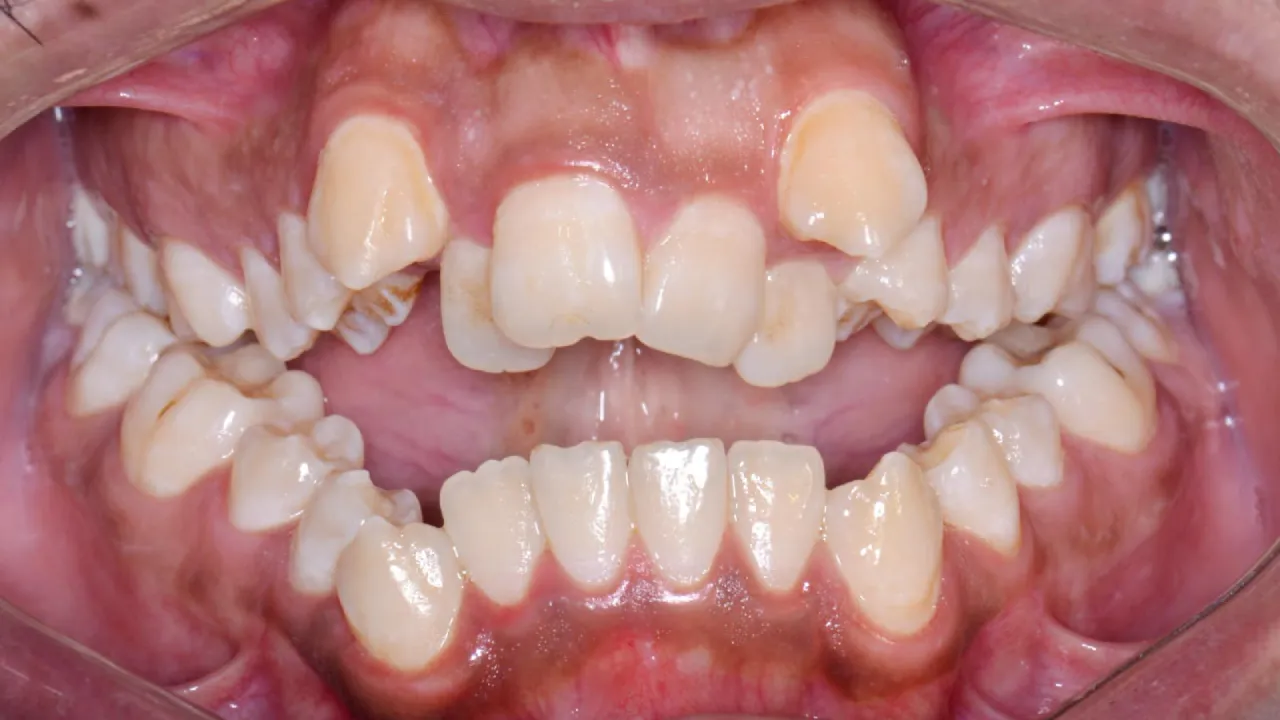

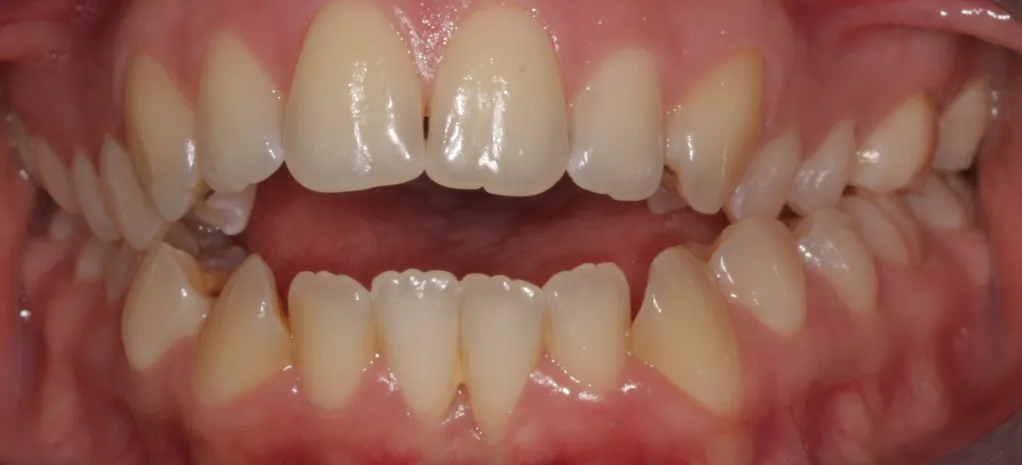
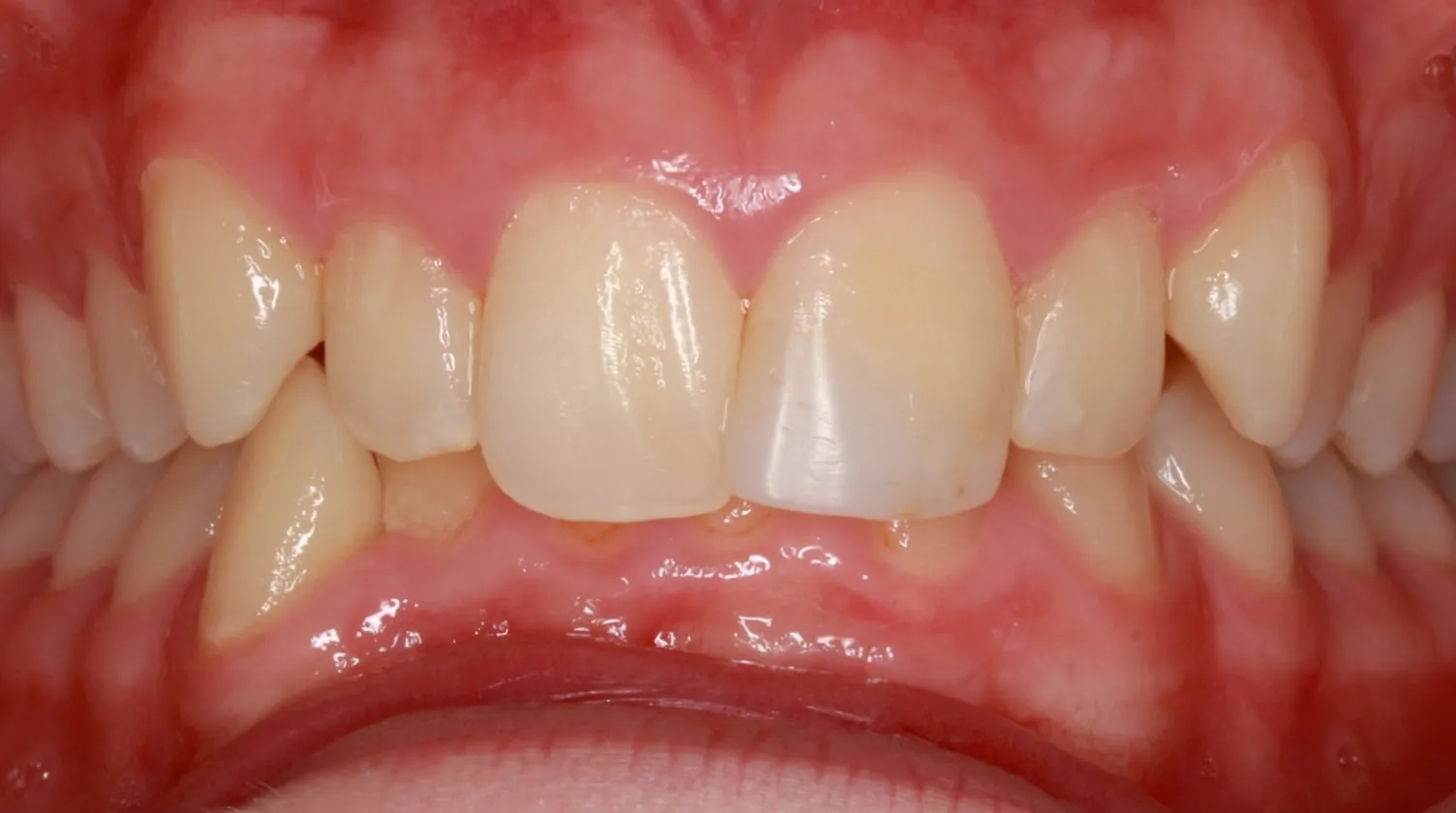
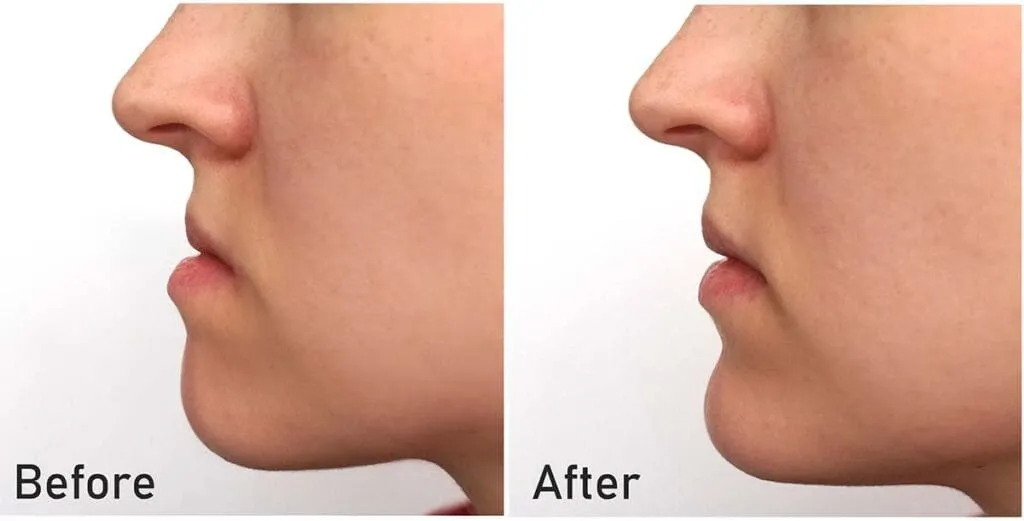
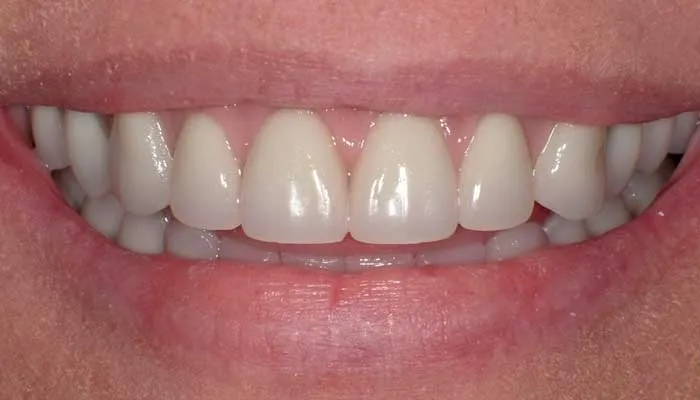
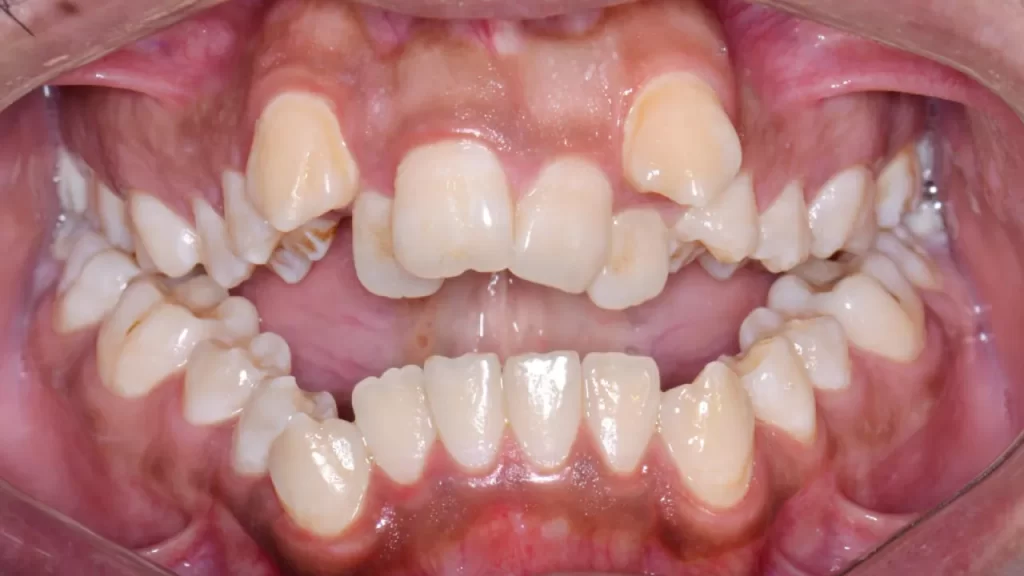
Types of dental braces
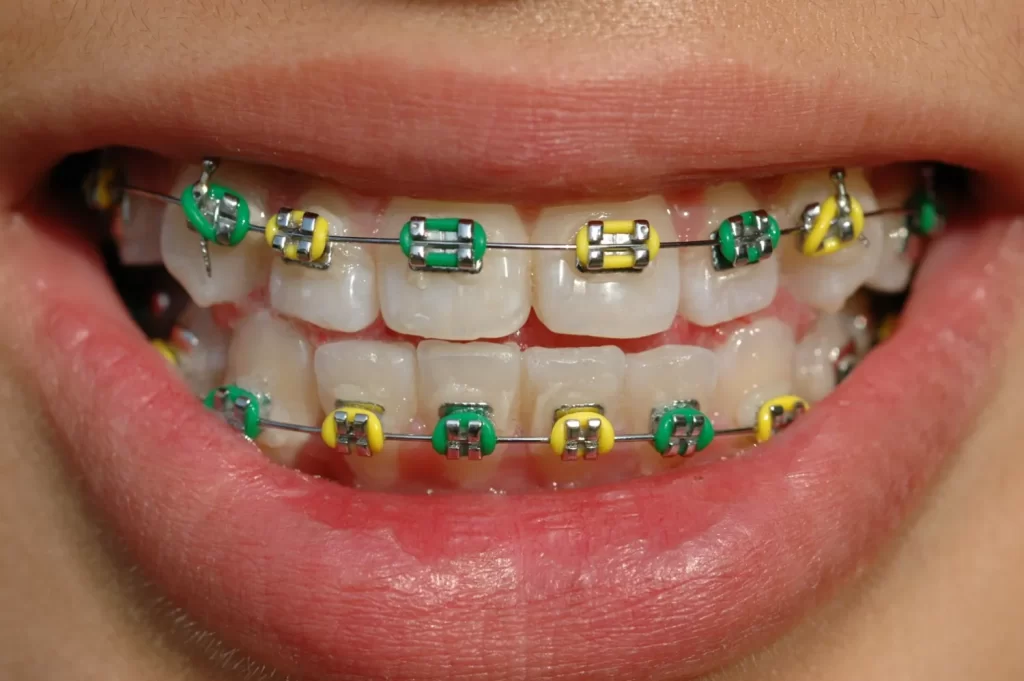
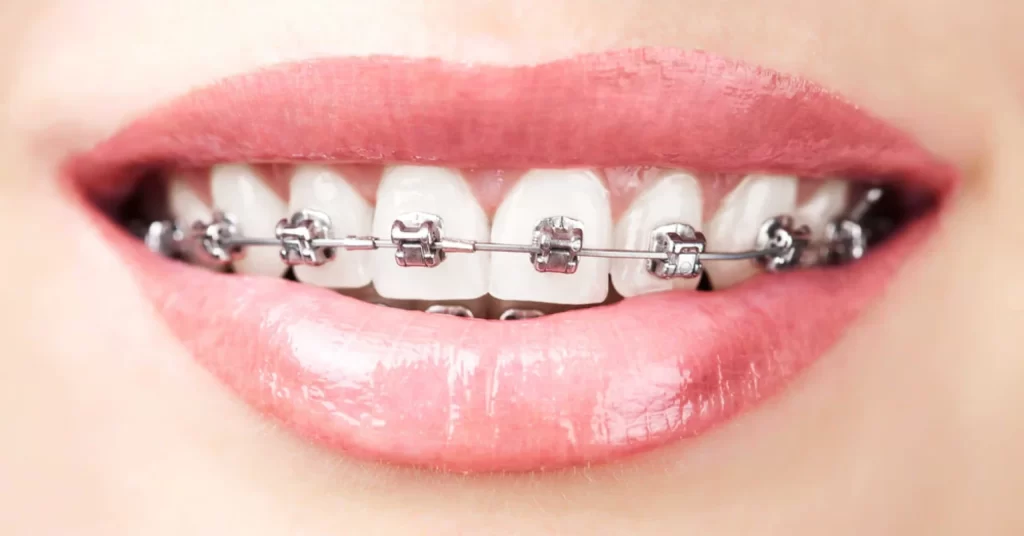
- Metal braces
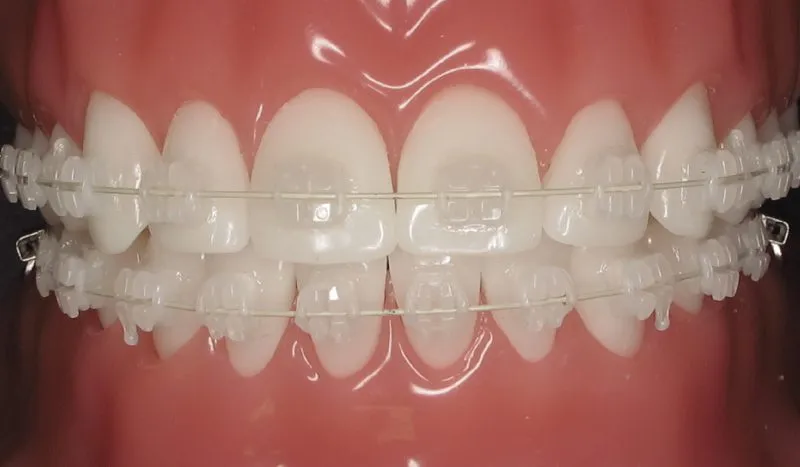
- Ceramic braces
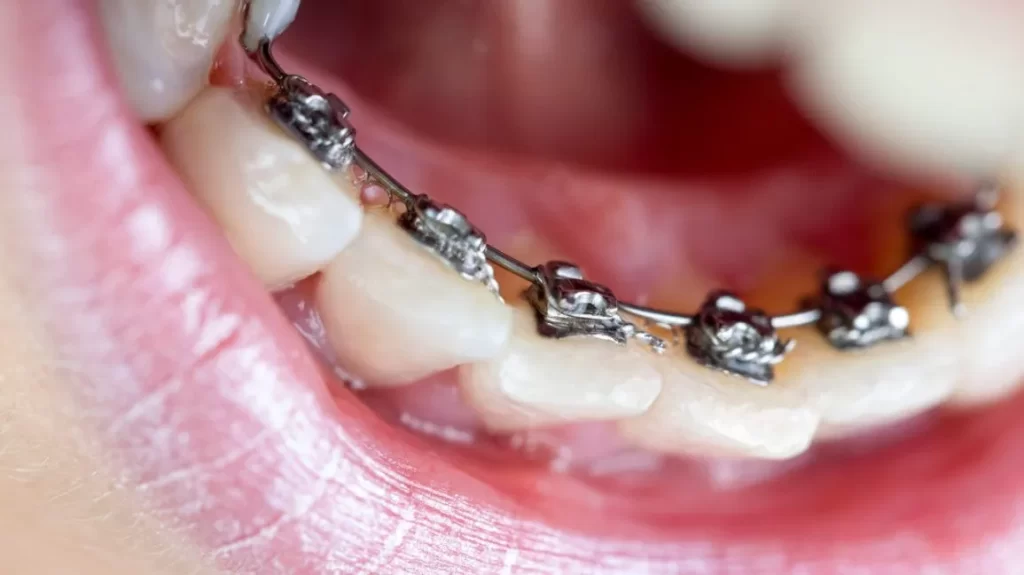
- Lingual braces
- Self-ligating braces :
Benefits of Braces:
Braces correct crooked, crowded, or misaligned teeth, giving you a more attractive smile.
Proper alignment fixes overbites, underbites, and crossbites, making chewing and speaking easier.
Straight teeth are easier to brush and floss, reducing the risk of cavities, gum disease, and plaque buildup.
Properly aligned teeth prevent uneven wear, fractures, or damage caused by improper bite forces.
Correct alignment decreases the chance of jaw pain, TMJ disorders, and stress on teeth and gums.
A well-aligned, beautiful smile enhances self-esteem and positively impacts social and professional interactions.
Braces help maintain the health and function of your teeth and jaw for years to come.
Risks of Not Getting Dental Braces
Neglecting to correct misaligned teeth or bite issues can lead to several long-term dental and oral health problems.
Potential Risks Include:
- Tooth Decay and Gum Disease
Crowded or crooked teeth are harder to clean, increasing the risk of cavities and periodontal issues. - Jaw Pain and TMJ Disorders
Misaligned bites can strain the jaw muscles and joints, leading to discomfort, headaches, or temporomandibular joint (TMJ) problems. - Excessive Tooth Wear
Improper alignment can cause uneven pressure on teeth, leading to chipping, fractures, or premature enamel wear. - Difficulty Chewing or Speaking
Severe bite issues may make it harder to eat comfortably or pronounce certain words clearly. - Aesthetic Concerns
Crooked or spaced teeth may affect confidence and self-esteem over time. - Long-Term Oral Health Complications
Untreated alignment issues can contribute to chronic dental problems, potentially requiring more extensive treatments in the future.
What is the Right Age for Dental Braces?
Dental braces can benefit patients of almost any age, but the optimal timing often depends on the type of dental issue being addressed.
Children and Teenagers
- Orthodontists generally recommend an initial evaluation around ages 7–9.
- Early assessment helps identify potential bite or alignment problems before they worsen.
- Most children begin active orthodontic treatment between ages 10 and 14, when permanent teeth have mostly erupted.
Adults
- Braces are not just for children many adults undergo orthodontic treatment to correct crooked teeth, gaps, or bite issues.
- Advances in clear aligners and discreet braces have made adult treatment more convenient and aesthetically appealing.
Dental Braces: Do’s and Don’ts
Do’s
- Brush your teeth after every meal using a soft-bristled toothbrush.
- Floss daily with a floss threader or orthodontic flosser to clean between brackets and wires.
- Use orthodontic-friendly mouthwash to maintain oral hygiene.
- Eat soft and healthy foods that won’t damage your braces.
- Attend regular orthodontic check-ups for adjustments and monitoring.
- Wear rubber bands, retainers, or other appliances as instructed by your orthodontist.
- Report any loose brackets or broken wires immediately.
Don’ts
- Avoid sticky, chewy, or hard foods like caramel, chewing gum, and nuts.
- Do not bite into hard fruits or vegetables cut them into smaller pieces instead.
- Avoid chewing ice or hard candy, which can break brackets or wires.
- Do not attempt to adjust or fix braces yourself.
- Avoid ignoring pain, irritation, or broken appliances; consult your orthodontist promptly.
- Do not skip scheduled appointments; regular visits are crucial for timely progress.
Are you having health problems? Contact us today!
Address Business
Contact With Us
Book To Call : +918627069651
Working Time
Frequently Asked Questions
What types of braces are available?
We offer multiple types of Dental Braces, depending on your dental needs and smile goals. These include traditional metal braces, self-ligating braces, Ceramic Braces Treatment, lingual braces, and clear aligners. At Oronova Dental Care, your orthodontist will examine your teeth, bite, and dental X-rays before recommending the most suitable treatment option.
How long does braces treatment take?
The duration of Dental Braces Treatment depends on the complexity of your case. Minor alignment corrections may take around 6–9 months, while more complex bite or crowding issues can take 18–24 months or longer. Your orthodontist will provide an estimated treatment timeline after evaluating your teeth, bite, and X-rays.
What foods should I avoid with braces?
During Dental Braces Treatment, it is best to avoid very hard, sticky, or crunchy foods that can damage brackets and wires. Foods such as chewing gum, toffees, popcorn, ice, hard candies, and very hard biscuits should be avoided. Cutting fruits and vegetables into smaller pieces can also help protect your braces and prevent damage.
What is the right age to start braces treatment?
Braces treatment commonly begins between the ages of 10 and 14, when the jaw is still developing and teeth move more easily. However, orthodontic treatment can be successful at almost any age. At Oronova Dental Care, personalized treatment plans are created for children, teenagers, and adults based on their dental condition and smile goals.
Are braces painful?
Braces do not usually cause severe pain, but mild soreness or pressure is common for a few days after they are placed or adjusted. This happens because the teeth gradually move into their new positions. Most patients adapt within the first few weeks, and the discomfort is usually manageable with soft foods, proper care, and basic pain relief if recommended by the orthodontist.

