When a tooth develops deep decay, a crack, or an infection, the damage can sometimes reach the soft tissue inside the tooth. In such situations, Root Canal Treatment in Mohali can help remove the infected or inflamed pulp, clean the inside of the tooth, and preserve the natural tooth whenever possible. Understanding why a root canal may be recommended can help patients recognize warning signs and seek professional dental care before the problem becomes more serious.
1. What Is Root Canal Treatment?
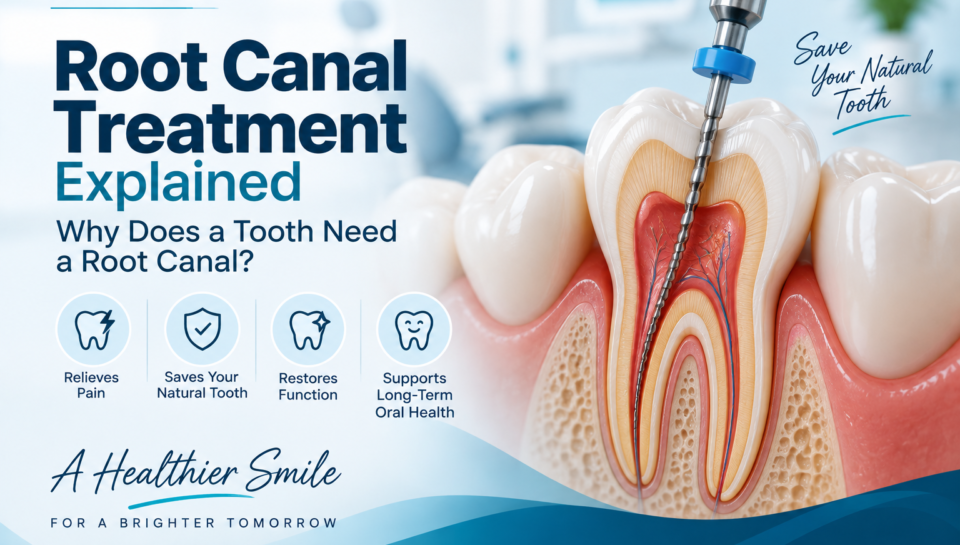
Root canal treatment is a dental procedure used when the pulp, the soft tissue inside a tooth, becomes inflamed or infected. The pulp contains nerves and blood vessels that help the tooth develop, but once the tooth is fully developed, it can continue functioning without the pulp.
When bacteria reach the pulp because of deep decay, cracks, trauma, or other damage, the tissue may become infected. Without appropriate treatment, the infection can potentially spread beyond the tooth and affect surrounding tissues.
What Happens During Root Canal Treatment?
The procedure generally involves several important steps:
- Examination and Diagnosis
The dentist examines the tooth and may recommend dental X-rays to understand the extent of the problem. - Numbing the Tooth
Local anaesthesia may be used to make the treatment area comfortable. - Accessing the Inside of the Tooth
A small opening is created to reach the infected or inflamed pulp. - Removing the Damaged Pulp
The affected tissue is carefully removed from inside the tooth. - Cleaning and Shaping the Canals
The root canals are cleaned and prepared so they can be properly sealed. - Sealing the Tooth
The cleaned canals are filled and sealed to help prevent bacteria from entering again. - Restoring the Tooth
Depending on the condition of the tooth, a final restoration such as a Dental Crown may be recommended to protect the remaining tooth structure.
The exact treatment process can vary depending on the tooth, the extent of infection, and the patient’s individual dental condition.
2. Why Tooth Pulp Becomes Inflamed or Infected
Tooth pulp does not usually become infected without a reason. Several types of damage can allow bacteria to reach the inner portion of the tooth.
Deep Tooth Decay
One of the most common reasons for pulp problems is untreated tooth decay. A cavity can begin in the outer enamel and gradually move through the deeper layers of the tooth.
If decay reaches the pulp, the tooth may become increasingly sensitive or painful. At this stage, a simple filling may no longer be sufficient, and root canal treatment may be considered.
Cracked or Damaged Teeth
A crack in a tooth can create a pathway for bacteria to reach the inner tissues. Cracks can develop because of injuries, biting hard objects, grinding, or general wear.
Not every cracked tooth requires root canal treatment. The appropriate treatment depends on the location and severity of the crack and whether the pulp has been affected.
Dental Trauma
An injury to the mouth can damage the nerve or blood supply of a tooth. Sometimes symptoms may appear immediately, while in other cases changes can develop later.
For this reason, a tooth that has experienced significant trauma should be evaluated by a dentist even if there is little or no pain at first.
Repeated Dental Procedures
A tooth that has undergone multiple restorations may sometimes become irritated or weakened. Your dentist can evaluate whether the pulp is healthy and determine the most appropriate treatment.
3. Common Symptoms
Symptoms of pulp inflammation or infection can vary significantly from one person to another. Some patients experience obvious pain, while others may have mild symptoms or no noticeable discomfort.
Persistent Toothache
A toothache that does not go away or keeps returning can be a sign that the tooth needs professional evaluation.
Pain may sometimes become more noticeable when eating or applying pressure to the affected tooth.
Sensitivity to Hot or Cold
Strong or prolonged sensitivity to hot or cold foods and drinks can sometimes indicate that the pulp has become irritated.
However, sensitivity does not automatically mean that you need a root canal. Gum recession, enamel wear, cavities, and other conditions can also cause sensitivity.
Pain While Chewing
If a particular tooth hurts when you bite or chew, it may indicate an issue that requires dental assessment. This can be associated with decay, cracks, inflammation, or other dental problems.
Swelling Around the Tooth
Swelling around a tooth or gum area can sometimes occur when an infection has developed. It should not be ignored because dental infections can require timely professional treatment.
Sensitivity That Lingers
Normal tooth sensitivity usually disappears quickly after the stimulus is removed. Sensitivity that continues for a noticeable period may require further evaluation.
Discolouration
A tooth that becomes darker or changes colour can sometimes indicate damage to the internal tissues. However, there are multiple possible causes of tooth discolouration, so a professional examination is necessary.
Important: Symptoms Can Vary
Not everyone with an infected or damaged pulp experiences severe pain. Some teeth may have significant internal problems with relatively few symptoms.
This is why relying only on pain is not always enough. A dental examination, together with imaging when required, can help determine what is happening inside the tooth.
4. Can a Tooth Be Saved?
One of the main goals of root canal treatment is to preserve the natural tooth whenever it is possible and appropriate.
When the pulp is infected or severely inflamed, removing the affected tissue can allow the dentist to clean and seal the inside of the tooth rather than immediately removing the entire tooth.
Why Saving the Natural Tooth Can Be Beneficial
Preserving a natural tooth can offer several advantages:
- Helps maintain natural chewing function
- Avoids immediate tooth removal when the tooth can be treated
- Helps maintain the natural arrangement of surrounding teeth
- Can reduce the need for certain replacement procedures
- Allows the patient to retain their own natural tooth
However, root canal treatment is not appropriate for every damaged tooth. If a tooth has severe structural damage, an extensive crack, or insufficient healthy tooth structure, extraction or another treatment may be considered.
The decision should always be based on a professional examination.
Benefits of Root Canal Treatment
When a tooth is suitable for root canal treatment, the procedure can provide several important benefits.
1. Helps Remove Infection
The infected or inflamed pulp is removed from inside the tooth, and the root canals are cleaned and sealed.
2. Helps Preserve the Natural Tooth
Instead of immediately removing the affected tooth, treatment may allow the natural tooth to remain in place.
3. Restores Chewing Function
After the tooth has been appropriately restored, it can continue to contribute to normal chewing.
4. Helps Prevent Further Complications
Treating an infected tooth can help address the source of the problem and reduce the risk of the infection progressing.
5. Supports Long-Term Oral Health
Preserving functional natural teeth can contribute to maintaining the overall balance and function of the mouth.
What Happens After Root Canal Treatment?
After the root canal procedure, the tooth generally needs an appropriate final restoration. In many cases, a Dental Crown may be recommended, particularly when a significant amount of tooth structure has been lost or the tooth needs additional protection.
A crown can cover and protect the restored tooth, helping it withstand normal chewing forces. Whether a crown is needed depends on the individual tooth and its remaining structure.
Patients should also continue regular brushing, cleaning between the teeth, and routine dental checkups. A root-treated tooth still requires proper oral hygiene and professional monitoring.
When Should You See a Dentist?
You should consider arranging a dental examination if you have persistent tooth pain, prolonged sensitivity, swelling, pain while chewing, a cracked tooth, or an unusual change in tooth colour.
Do not wait until the pain becomes severe before seeking help. Early evaluation can help identify the cause of the problem and determine whether the tooth can be preserved with appropriate treatment.
If you are experiencing symptoms that may indicate an infected or damaged tooth, Oronova Dental Care can assess your condition and explain the available treatment options based on your individual dental needs.
Conclusion
A root canal is not simply a treatment for tooth pain, it is a procedure designed to address problems affecting the inside of a tooth while preserving the natural tooth whenever possible. Deep decay, cracks, trauma, and other problems can affect the pulp and may eventually require professional treatment.
If you are experiencing persistent sensitivity, pain, swelling, or discomfort while chewing, getting an examination can help identify the cause before the condition becomes more complicated. For patients looking for Root Canal Treatment in Mohali, a professional dental assessment is the best starting point.
For personalized evaluation and treatment guidance, Oronova Dental Care can help you understand your dental condition and the most suitable next steps for maintaining your natural smile.