A cavity may start as a small problem, but leaving it untreated can gradually affect more of the tooth. Teeth Filling Treatment in Mohali is commonly used to restore teeth affected by decay and help protect their remaining healthy structure. If you have tooth sensitivity, discomfort while eating, or notice a dark spot or hole in your tooth, getting a dental examination early can help identify the problem before it becomes more complicated.
What Is a Dental Filling?
A dental filling is a restorative treatment used to repair a tooth that has been damaged by decay. When bacteria and plaque remain on the teeth, acids can gradually weaken the enamel and create a cavity. If the decay continues, it can move deeper into the tooth and cause increasing sensitivity, pain, or other complications.
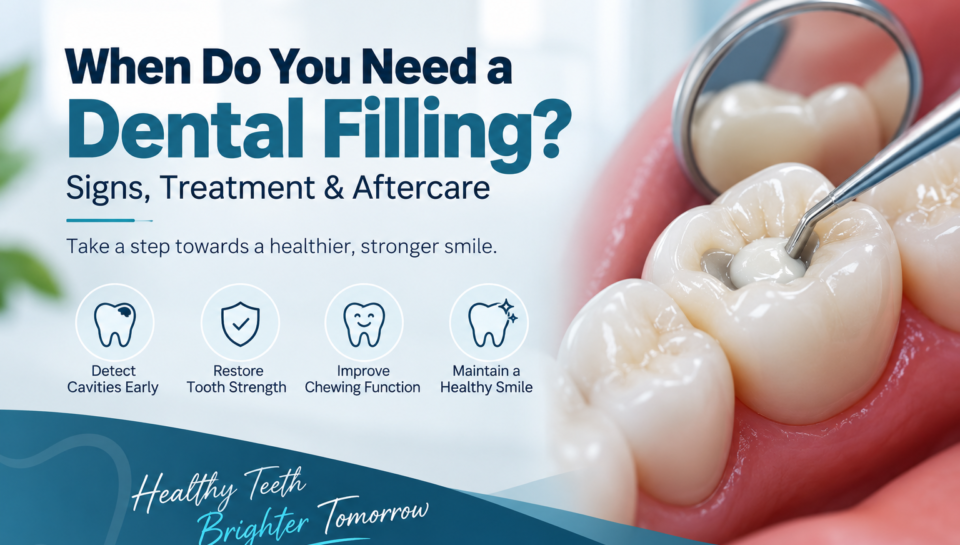
During a filling procedure, the dentist removes the decayed portion of the tooth and cleans the affected area. The space is then restored using an appropriate dental filling material. The restoration is shaped to match the natural structure of the tooth so that you can continue using it normally.
A filling does more than simply cover a cavity. It helps restore the tooth’s shape, supports normal chewing and helps prevent the damaged area from becoming larger.
What Causes Tooth Cavities?
Understanding how cavities develop can help you take better care of your teeth. Tooth decay usually develops because of a combination of bacteria, plaque, frequent sugar exposure and inadequate oral hygiene.
Plaque and Bacteria
Plaque is a sticky layer that continuously forms on the surface of your teeth. It contains bacteria that can use sugars from food and drinks to produce acids.
Acid Attacks the Enamel
Repeated exposure to these acids can gradually weaken tooth enamel. When the enamel loses minerals faster than they can be replaced, the tooth becomes more vulnerable to decay.
Decay Progresses Over Time
If early decay is not managed, it can develop into a cavity. As the damaged area becomes deeper, the tooth may eventually become sensitive or painful.
This is why regular dental examinations are important even when you do not have obvious symptoms.
Signs You May Need a Dental Filling
A cavity does not always cause pain in its early stages. However, there are several signs that should encourage you to have your teeth examined.
Tooth Sensitivity
You may experience sensitivity when consuming cold drinks, hot foods, sweets or acidic foods. Although sensitivity can have several causes, tooth decay is one possibility.
Toothache or Discomfort
Pain while chewing or persistent discomfort in a particular tooth can indicate that the tooth needs professional evaluation.
Visible Dark Spots
Brown, black or unusual spots on a tooth may sometimes indicate decay. A dentist can determine whether the change is related to a cavity or another issue.
A Visible Hole in the Tooth
A noticeable hole or indentation can be a sign that tooth structure has already been lost because of decay.
Food Frequently Gets Stuck
If food repeatedly becomes trapped around the same tooth, especially between two teeth, it may be worth getting the area checked.
Rough or Broken Tooth Surface
Decay can weaken the tooth and cause changes to its surface. A damaged tooth should be assessed before the problem becomes more extensive.
Why Early Treatment Matters
Many people delay visiting a dentist because the tooth does not hurt. However, the absence of pain does not necessarily mean there is no dental problem.
Protecting Healthy Tooth Structure
When decay is identified early, treatment may involve removing a relatively small amount of damaged tooth structure. Waiting longer can allow the cavity to become larger.
Preventing Further Damage
As decay progresses, it can move closer to the inner part of the tooth. More advanced decay may require more extensive treatment.
Maintaining Normal Tooth Function
A damaged tooth can affect chewing and may become increasingly uncomfortable. Restoring it can help maintain its normal shape and function.
Early professional assessment is therefore an important part of maintaining long-term oral health.
What Happens During a Dental Filling Procedure?
The exact procedure depends on the condition of the tooth, but a typical filling appointment involves several steps.
1. Dental Examination
The dentist first examines the affected tooth and surrounding areas. Depending on the situation, an X-ray may be recommended to understand the extent of the decay.
2. Local Anaesthesia
If required, local anaesthesia is used to numb the treatment area. This can make the procedure more comfortable for the patient.
3. Removal of Decayed Tooth Structure
The dentist carefully removes the decayed portion of the tooth. The healthy tooth structure is preserved as much as possible.
4. Cleaning the Treatment Area
Once the decay has been removed, the area is cleaned and prepared for restoration.
5. Placement of Filling Material
The selected restorative material is placed into the prepared area. It is shaped carefully so that the restored tooth maintains a natural appearance and useful function.
6. Bite Check
The dentist checks how the restored tooth meets the opposite teeth. Minor adjustments can be made if necessary to ensure the bite feels comfortable.
Types of Dental Fillings
Different materials may be used for restoring teeth. The appropriate choice depends on the location of the cavity, the amount of tooth structure affected, appearance, chewing forces and other clinical considerations.
Tooth-Coloured Composite Fillings
Composite resin fillings are designed to match the natural colour of the tooth. Because of their appearance, they are commonly considered when patients want a more natural-looking restoration.
Other Filling Materials
Other restorative materials may also be suitable in certain situations. Your dentist can recommend the appropriate option after examining the tooth.
Rather than selecting a material based only on online information, it is better to discuss your individual needs with a dental professional.
What Should You Expect After a Filling?
Most patients can return to their normal routine according to their dentist’s instructions. However, there are a few things to keep in mind after treatment.
Be Careful While Your Mouth Is Numb
If anaesthesia has been used, wait until normal sensation returns before chewing to avoid accidentally biting your tongue, cheek or lip.
Maintain Good Oral Hygiene
Continue brushing twice a day and clean between your teeth regularly. A filling repairs an affected area, but it does not prevent new cavities from developing elsewhere.
Watch for Persistent Discomfort
Some sensitivity may occur after treatment. If pain continues, becomes severe or feels unusual, contact your dentist for further evaluation.
How Can You Prevent Future Cavities?
Good daily habits can significantly support your oral health and reduce the risk of developing new cavities.
Brush Twice a Day
Brush your teeth for around two minutes using fluoride toothpaste. Pay attention to the gum line and difficult-to-reach areas.
Clean Between Your Teeth
Floss or use an appropriate interdental cleaning method to remove plaque and food particles between the teeth.
Reduce Frequent Sugary Snacks
Frequent consumption of sugary foods and drinks can increase exposure to acids that contribute to tooth decay. Try to limit unnecessary snacking throughout the day.
Drink Enough Water
Water can help keep your mouth hydrated and can be a better everyday choice than frequently consuming sugary beverages.
Schedule Regular Dental Checkups
Routine dental examinations allow your dentist to identify cavities and other oral health problems at an earlier stage.
When Should You Visit a Dentist?
You should arrange a dental examination if you experience tooth sensitivity, recurring toothache, pain while chewing, visible changes in a tooth, food trapping or a noticeable hole.
You should also avoid waiting for severe pain before seeking professional care. Some dental problems can progress without causing significant symptoms initially.
If you live in or around Mohali, choosing a conveniently located dental clinic can also make it easier to maintain regular dental checkups and follow-up appointments. Oronova Dental Care focuses on providing patients with individualized dental care based on their oral health needs.
For people searching for Teeth Filling Treatment in Mohali, the right first step is a professional examination. Once the condition of the tooth has been assessed, the dentist can explain whether a filling is appropriate and what treatment approach may be suitable.