

Call Us when you Need Help!
What Are Dentures?
Dentures are removable dental appliances designed to replace missing teeth and the surrounding gum tissue. They restore your ability to chew, speak, and smile confidently while maintaining the natural shape of your face.
Dentures can be full or partial, depending on whether you are missing all your teeth or just a few. Modern dentures are custom-made to fit comfortably, look natural, improve overall oral function, and provide an effective tooth replacement solution for patients with missing teeth.
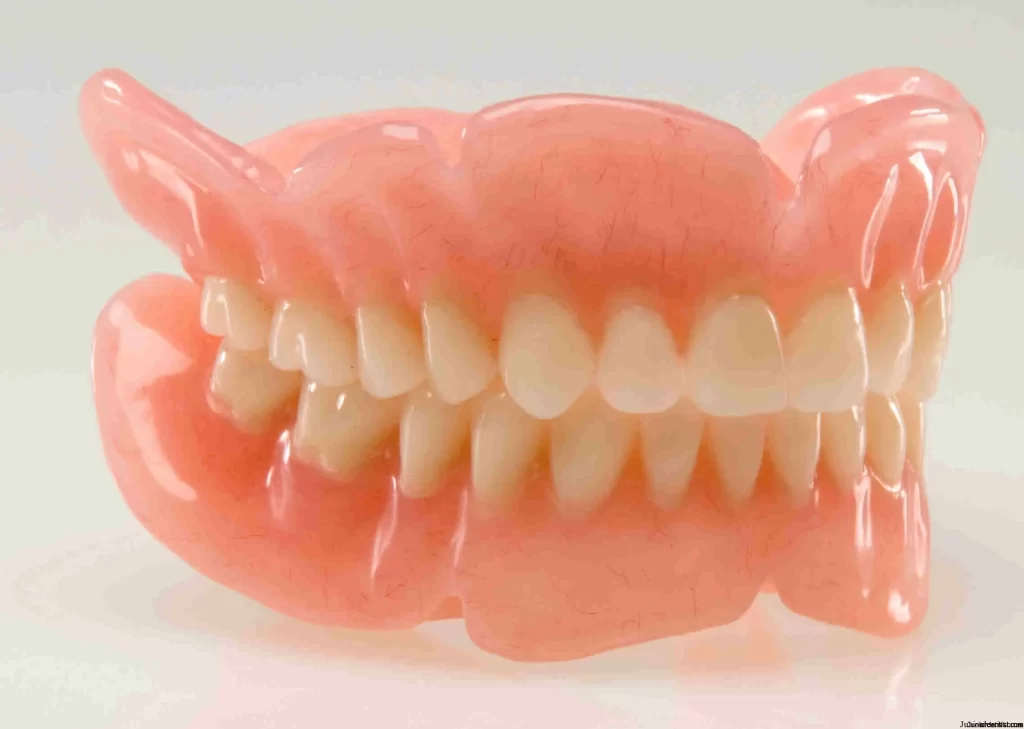
Types of Dentures
- Complete Dentures
- Replace all teeth in the upper or lower jaw.
- Restore chewing, speaking, and the natural shape of the face.
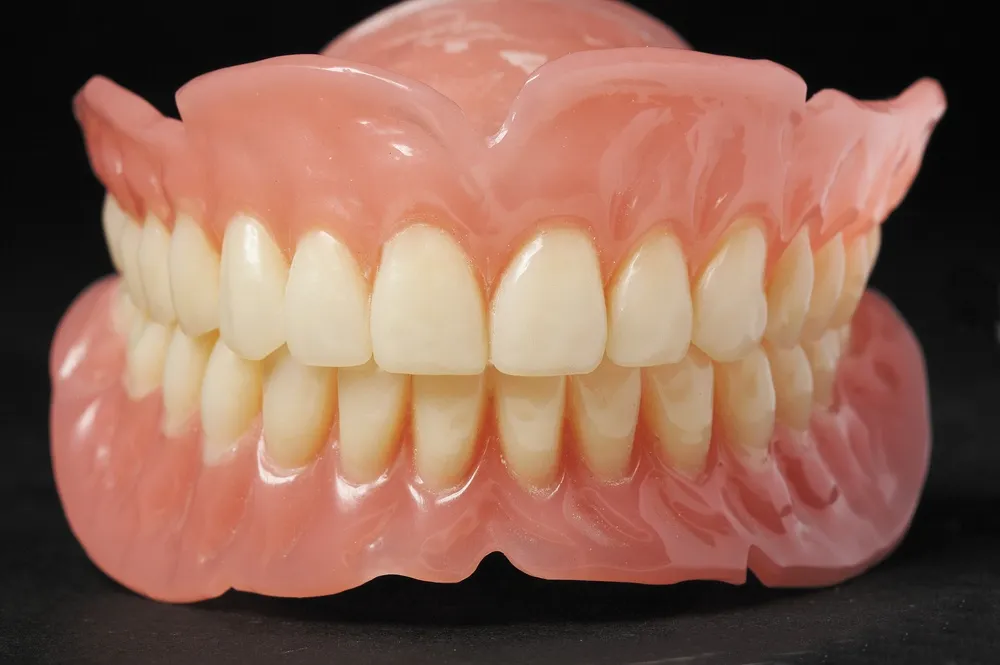
- Partial Dentures
- Replace one or several missing teeth while keeping remaining natural teeth.
- Secured with clasps or attachments for stability.
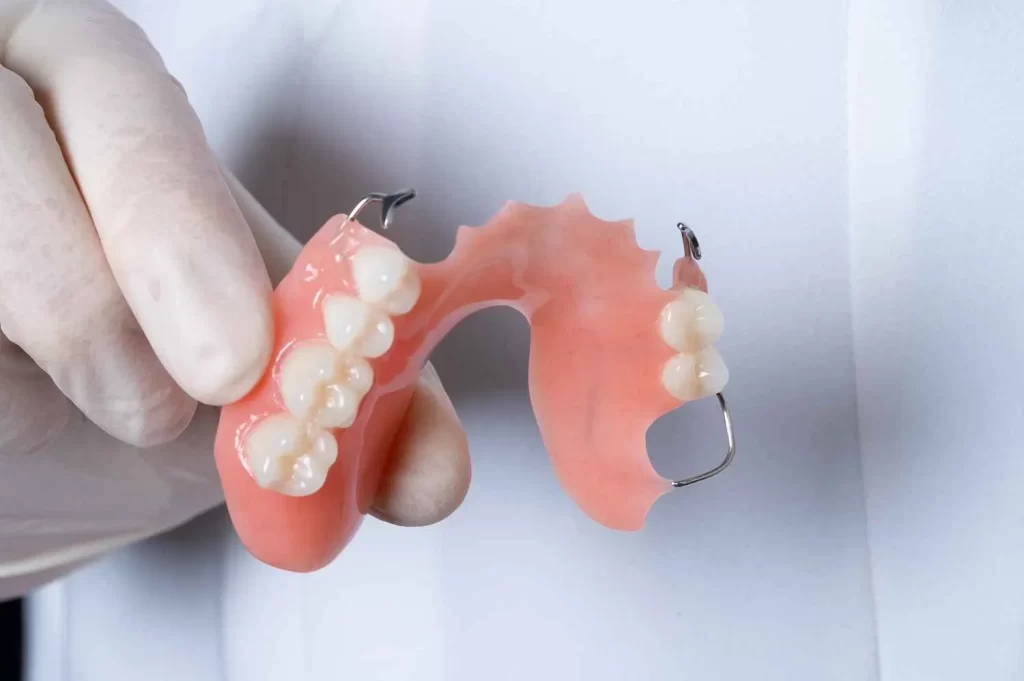
- Partial Dentures
- Replace one or several missing teeth while keeping remaining natural teeth.
- Secured with clasps or attachments for stability.
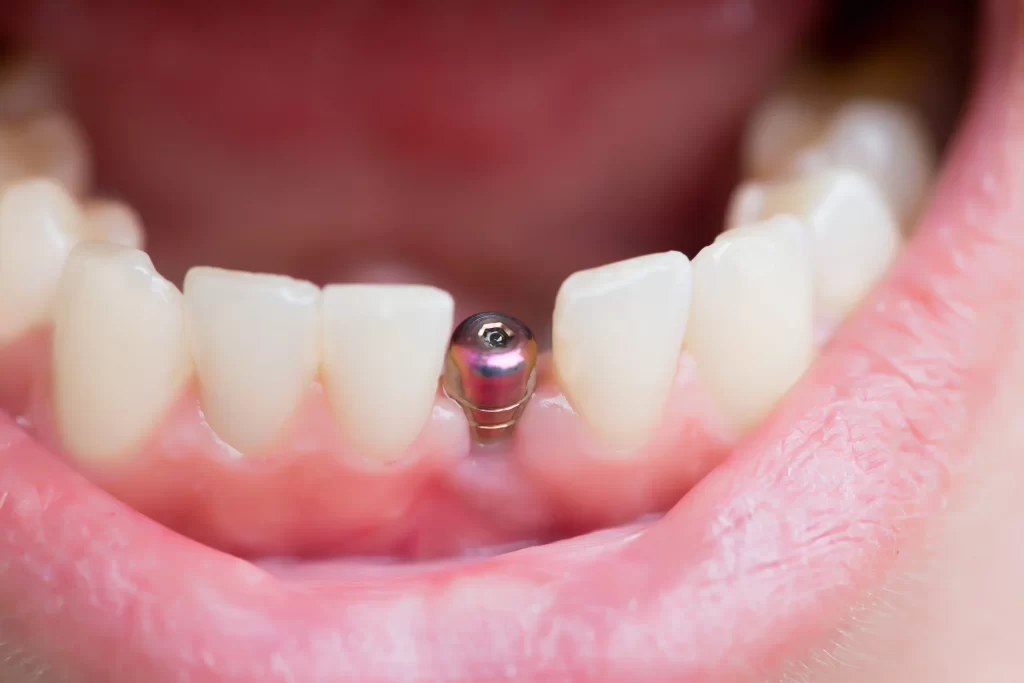
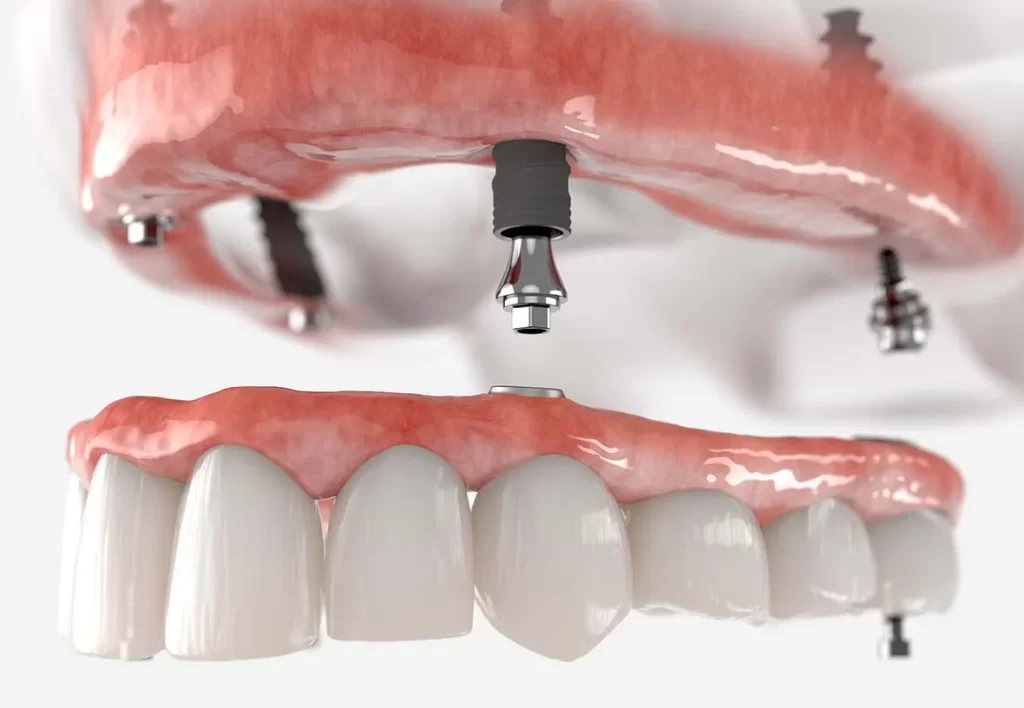
Implant-Supported Dentures
- Dentures anchored to dental implants for added strength and comfort.
- Prevent slipping, improve chewing efficiency, and help maintain jawbone health.
Benefits of Dentures
Dentures are an effective solution for replacing missing teeth, restoring both function and appearance. At Oronova Dental Care, we provide personalized denture solutions to restore your smile and oral function.
- Restore Chewing and Eating Ability
Dentures help you enjoy a wide variety of foods comfortably. - Improve Speech
Missing teeth can affect pronunciation; dentures restore clarity while speaking. - Enhance Facial Appearance
Dentures provide support for lips and cheeks, preventing a sunken or aged look. - Boost Confidence
A complete and natural-looking smile can improve self-esteem and social interactions. - Protect Remaining Teeth
Partial dentures help distribute bite forces evenly, reducing stress on natural teeth. - Customizable and Comfortable
Modern dentures are tailored to your mouth for a secure and natural fit. - Support Oral Health
Implant-supported dentures can help maintain jawbone strength and prevent bone loss.
How to Take Care of Your Dentures
Proper care is essential to keep your dentures clean, comfortable, and long-lasting. Follow these tips to maintain oral health and ensure your dentures continue to function well.
Denture Care Tips:
- Clean Daily
Remove your dentures and brush them with a soft-bristled brush using mild soap or denture cleaner. Avoid regular toothpaste as it can be abrasive. - Rinse After Meals
Rinse dentures after eating to remove food particles and prevent staining. - Soak Overnight
Keep dentures in water or a denture-soaking solution overnight to maintain their shape and prevent drying out. - Maintain Oral Hygiene
Clean your gums, tongue, and remaining natural teeth with a soft toothbrush daily. - Handle With Care
Avoid dropping or bending dentures. Hold them over a soft surface or a bowl of water when cleaning. - Regular Dental Check-Ups
Visit your dentist regularly to check the fit, make adjustments, and prevent oral health issues. - Avoid Hard or Sticky Foods
Limit foods that can damage or dislodge dentures.
Do’s:
- Wear dentures as instructed by your dentist to allow proper adjustment.
- Clean dentures daily with a soft brush and mild denture cleaner.
- Rinse dentures after every meal to remove food particles.
- Soak dentures overnight in water or denture solution to keep them moist.
- Maintain oral hygiene by brushing gums, tongue, and any remaining natural teeth.
- Attend regular dental check-ups to monitor fit and oral health.
- Report discomfort or looseness to your dentist promptly for adjustments
Don’ts:
- Don’t wear dentures in water that is too hot—it can warp their shape.
- Don’t use regular toothpaste or harsh cleaners—they can scratch dentures.
- Don’t ignore irritation, sores, or persistent discomfort.
- Don’t chew very hard or sticky foods that can damage or dislodge dentures.
- Don’t try to adjust or repair dentures yourself.
Are you having health problems? Contact us today!
Address Business
Contact With Us
Book To Call : +918627069651
Working Time
Frequently Asked Questions
What are dentures and when are they recommended?
Dentures are removable artificial teeth used to replace multiple missing teeth or an entire set of teeth. Complete dentures replace all teeth in the upper or lower jaw, while partial dentures are used when some natural teeth are still present. Dentures are commonly recommended for people who have lost teeth due to gum disease, severe decay, injury, or age-related tooth loss, especially when fixed options like dental implants may not be suitable.
What types of dentures are available?
Different types of dentures are available based on the patient’s needs, comfort, and budget. These include complete dentures, partial dentures, flexible dentures, immediate dentures placed soon after tooth removal, and implant-supported dentures for better stability and support. At Oronova Dental Care, a detailed dental examination is performed before recommending the most suitable denture option for each patient.
How long does it take to get used to new dentures?
Most patients adjust to new dentures within 4–8 weeks. In the beginning, it is normal to experience slight soreness, increased saliva, or mild difficulty while eating and speaking. As the mouth muscles gradually adapt, these issues usually improve. Oronova Dental Care recommends regular follow-up visits after denture delivery to make any necessary adjustments and improve comfort.
How do I properly care for and clean my dentures?
Remove and rinse your dentures after every meal. Brush them once daily with a soft denture brush and a mild denture cleanser instead of regular toothpaste, which may scratch the denture surface. Soak your dentures overnight in a denture cleaning solution. Before wearing them again, gently clean your gums, tongue, and palate with a soft toothbrush to maintain good oral hygiene and reduce the risk of infection.
How long do dentures last?
Conventional acrylic dentures generally last 5–8 years before relining or replacement is required, as the jawbone naturally changes shape after tooth loss. Implant-supported dentures can often last 10–15 years or longer with proper care. Regular dental check-ups help identify fit changes early and ensure your dentures remain comfortable and functional.

