

Call Us when you Need Help!
What Are Wisdom Teeth?
Wisdom teeth, also known as third molars, are the last set of teeth to emerge, typically appearing between the ages of 17 and 25. Wisdom Tooth Pain Relief Treatment may be recommended when these teeth cause pain due to impaction, crowding, or improper alignment.
If your wisdom teeth are causing pain, swelling, or repeated infections, Wisdom Tooth Removal in Mohali can help prevent future dental complications and protect your oral health.
At Oronova Dental Care, our experienced dentists carefully evaluate every case and recommend the safest treatment plan for wisdom tooth removal.
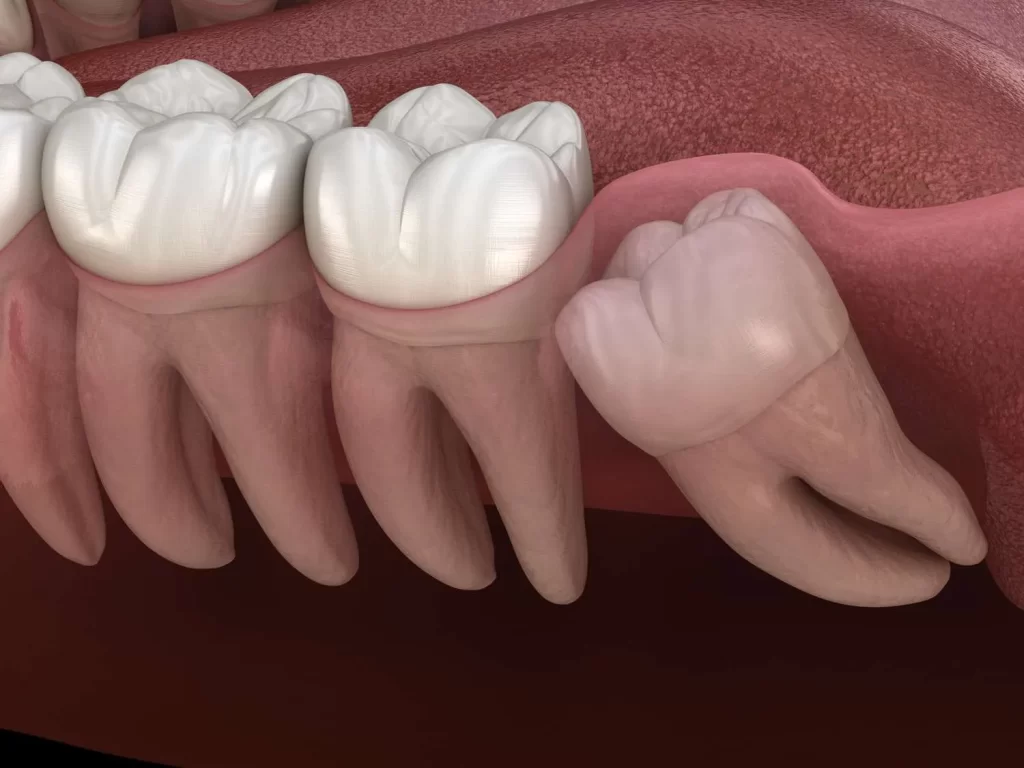
Problems Wisdom Teeth Can Cause
When wisdom teeth do not have sufficient space to grow properly, they can lead to a variety of dental problems, including:
Early Wisdom Tooth Extraction helps prevent infection, protects nearby teeth, and reduces the risk of long-term dental problems.
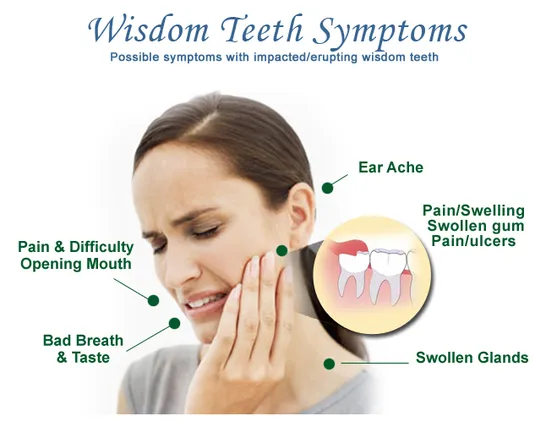
Symptoms Indicating the Need for Wisdom Teeth Removal
You may require wisdom tooth extraction if you experience:
Your dentist will evaluate these symptoms, often using X-rays or 3D imaging, to determine if removal is necessary.
Types of Wisdom Tooth Removal
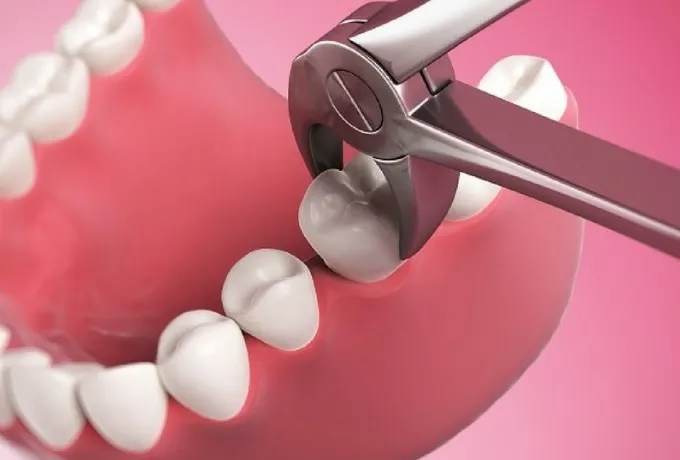
- Simple Extraction
- Surgical Extraction
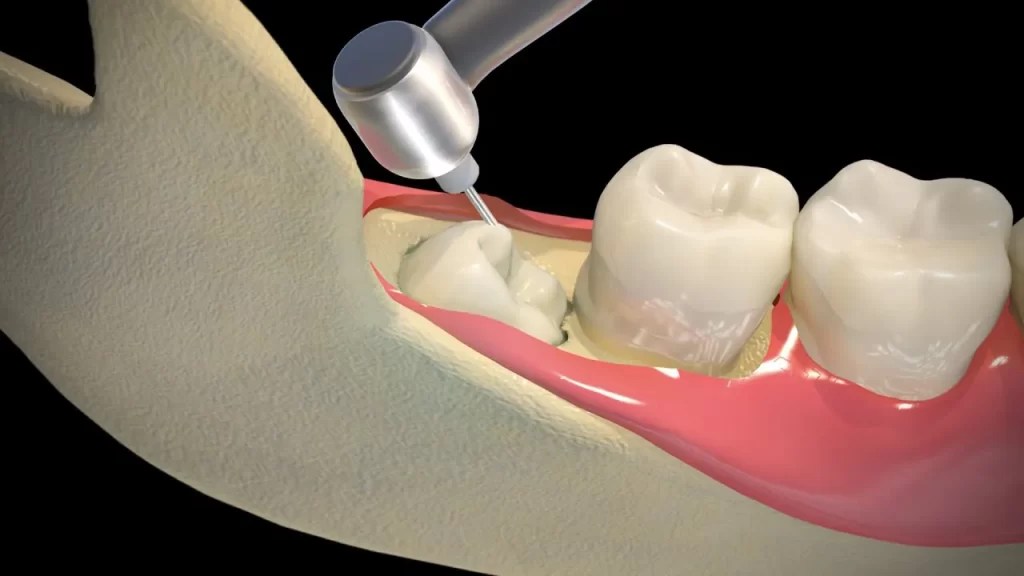
Surgical removal is required for impacted or partially erupted wisdom teeth. It involves making a small incision in the gum and sometimes removing a portion of bone to safely extract the tooth. This procedure may require local anesthesia, sedation, or general anesthesia depending on the complexity. Learn more about our general Tooth Extraction procedures for damaged or severely infected teeth.
Wisdom Tooth Extraction: Recovery & Aftercare Tips
Proper care after wisdom tooth removal is essential to ensure smooth healing and minimize discomfort. Recovery time varies depending on the complexity of the extraction, but following these guidelines will help you heal safely and comfortably.
Immediately After the Procedure
First Day Care
Pain Management
Diet
Oral Hygiene
After the First Day
Ongoing Care
Wisdom Tooth Extraction: Do’s and Don’ts
Do’s
Don’ts
Are you having health problems? Contact us today!
Address Business
Contact With Us
Book To Call : +918627069651
Working Time
Address Business
Frequently Asked Questions
When is wisdom tooth removal necessary?
Wisdom tooth removal is usually recommended when the tooth does not have enough space to grow properly or starts causing problems. Common reasons include pain, swelling, repeated infections, food getting trapped around the tooth, damage to nearby teeth, crowding, or cyst formation. Not all wisdom teeth need to be removed. Your dentist will carefully evaluate your condition using dental X-rays before recommending extraction.
Is wisdom tooth extraction painful?
Wisdom tooth extraction is performed under local anaesthesia, so you should not feel pain during the procedure, only slight pressure or movement. After the extraction, mild swelling, soreness, and jaw stiffness for a few days are normal and can usually be managed with prescribed medications, ice packs, and proper aftercare. Modern dental techniques help make the procedure and recovery as comfortable as possible.
What is a dry socket and how can I prevent it?
After a tooth extraction, a blood clot naturally forms at the extraction site to protect the area and support healing. A dry socket occurs when this clot becomes dislodged too early, exposing the underlying bone and causing pain. To reduce the risk, avoid smoking, drinking through a straw, forceful spitting, or vigorous rinsing for the first 24–48 hours. Following your dentist’s aftercare instructions is essential for proper healing.
What is an impacted wisdom tooth?
An impacted wisdom tooth is a tooth that cannot fully erupt because there is not enough space in the jaw or because it is growing at an abnormal angle. Some wisdom teeth remain partially trapped under the gums, while others stay completely inside the bone. Impacted wisdom teeth can trap food and bacteria, leading to pain, swelling, infection, or damage to nearby teeth. Oronova Dental Care offers detailed evaluation and treatment for impacted wisdom teeth to prevent future complications.
What is the difference between a simple and a surgical wisdom tooth extraction?
A simple extraction is performed when the wisdom tooth has fully erupted and can be removed using standard dental instruments without making an incision. A surgical extraction is required when the tooth is partially or completely impacted. In these cases, the dentist may need to make a small incision, remove a small amount of surrounding bone, or divide the tooth into sections before safely removing it.

